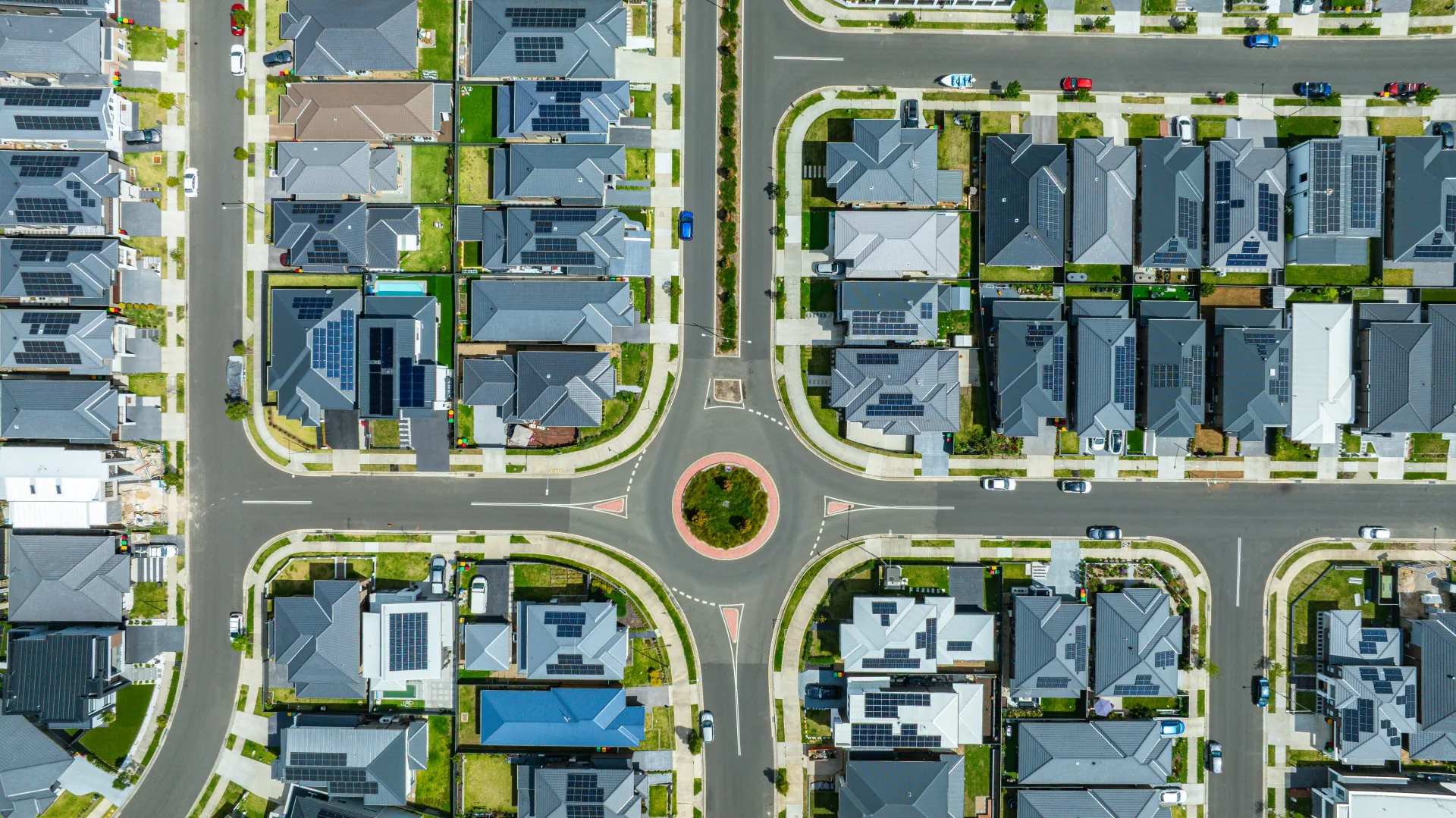
Whistler Step Code Requirements
Current Step: 4 (ahead of province) | ACH Target: 1.5 ACH50 | Climate Zone: 6 | HDD: ~4,650 | Carbon: Strong Carbon Performance, advancing to EL-4 in 2026 | Permit Office: whistler.ca/building | Permit Counter: 4325 Blackcomb Way
What’s required right now
The Resort Municipality of Whistler (RMOW) requires Step 4 for all new Part 9 residential builds since January 1, 2024, exceeding the provincial Step 3 minimum by a full step. Whistler also requires Strong Carbon Performance under Zero Carbon Step Code, with an advance to Zero Carbon Performance (EL-4) scheduled for 2026.
The airtightness target is 1.5 ACH50, verified by blower door test before occupancy. That’s a 40% improvement over the Step 3 target most other BC municipalities work to. Combined with Climate Zone 6, this is one of the most demanding Part 9 build environments in the province.
Climate Zone 6: a different building science
Whistler sits at roughly 670 m elevation in the village core, with construction running up to 1,500 m at Kadenwood and Blueberry Hill. HDD around 4,650 places Whistler in CZ6, alongside Smithers, Quesnel, and Prince George.
Practical implications for Step 4 in Whistler:
- Wall assemblies need effective R-32 to R-40 (typically R-22 cavity plus R-15 to R-20 exterior insulation, or double-stud walls)
- Window U-value 1.0 to 1.2 W/m²K is the practical floor; triple-pane is common
- Slab insulation R-15 minimum, often R-20 under floor with under-slab heating
- HRV with 80%+ sensible recovery is standard; many builds use ERV for moisture management at altitude
- Snow loads of 3 to 5+ kPa drive heavy roof structure that must maintain thermal continuity
A house plan that hits Step 3 in Kelowna will fail Step 4 in Whistler without significant assembly upgrades. Don’t try to retrofit a CZ5 design onto a CZ6 site.
Snow loads, cold roofs, and air sealing
Deep snow loads in Whistler interact with air sealing in three ways most warmer-climate builders haven’t dealt with:
- Cold roof assemblies. Vented attics with deep insulation (R-60+) require careful air barrier work at the ceiling plane to prevent stack-driven moisture migration into the attic
- Ice damming. A leaky thermal envelope drives snow melt at the roof line, then refreezes at the eave. The same air leaks that cost airtightness points cost shingles and water damage
- Wall-to-roof transitions. The classic CZ6 fail point. Truss heels need to maintain insulation depth out to the wall plate without crushing or interrupting the air barrier
See common air leaks for diagnostic patterns and wall assemblies for cold-climate build-ups.
Permit process at the RMOW
- Pre-construction. Submit energy compliance report plus carbon performance documentation under Green Building Policy 1057. Submit at the Building Department, 4325 Blackcomb Way. Allow 4 to 8 weeks for permit issuance for typical Part 9 builds; complex custom homes can take longer
- Mid-construction (optional). No municipal blower door requirement, but a pre-drywall test is essentially mandatory if you want to hit 1.5 ACH50 reliably. Catching leaks at framing stage is far cheaper than chasing them after drywall
- As-built. Final blower door test at 1.5 ACH50, updated compliance report, plus carbon performance commissioning
Rebate stack for Whistler projects
| Source | Amount | Notes |
|---|---|---|
| FortisBC New Home Program | $9,000 to $15,000 | Step 4 with hybrid heat pump (gas-served) |
| FortisBC New Home Program | $11,000 to $20,000 | Step 5 with hybrid heat pump |
| BC Hydro New Construction | up to $15,000 | All-electric high-performance homes |
| CleanBC Better Homes | $4,000 to $10,000 | Heat pump rebate, stacks |
| Greener Homes Loan | up to $40,000 | Interest-free for energy upgrades |
Whistler is in BC Hydro electric territory; FortisBC service availability varies by neighborhood. Most new Whistler custom homes are now all-electric in anticipation of the 2026 EL-4 advance, which means BC Hydro programs are the primary rebate path. See the Step Code rebates guide for stacking rules.
What’s coming in 2026
Whistler’s advance to Zero Carbon Step Code Emissions Level 4 (EL-4) in 2026 will effectively ban fossil fuel heating in new Part 9 construction. Builders should design new projects with all-electric mechanical now to avoid mid-build pivots. Heat pumps sized for CZ6 with cold-climate (ASHP) ratings down to -25°C are the standard play. See HVAC for Step Code for sizing approaches.
Common compliance gaps in Whistler builds
- Truss heel air barrier discontinuity. Insulation crushed at the wall plate creates a thermal short and an air barrier failure
- Mechanical room exhaust. Combustion appliances need outdoor combustion air; that penetration becomes a leak point if not carefully detailed
- Ski-in/ski-out exterior storage. Heated mudrooms and gear lockers add envelope complexity that often fails air barrier inspection
- Window head flashing under snow load. Snow accumulation against window heads stresses sealants; spec for cold-temperature flexibility
Next steps for your Whistler project
- Plan for 1.5 ACH50 from day one; this is not a Step 3 build with extra caulking
- Run the rebate calculator for project-specific numbers
- Compare air sealing methods for CZ6 builds