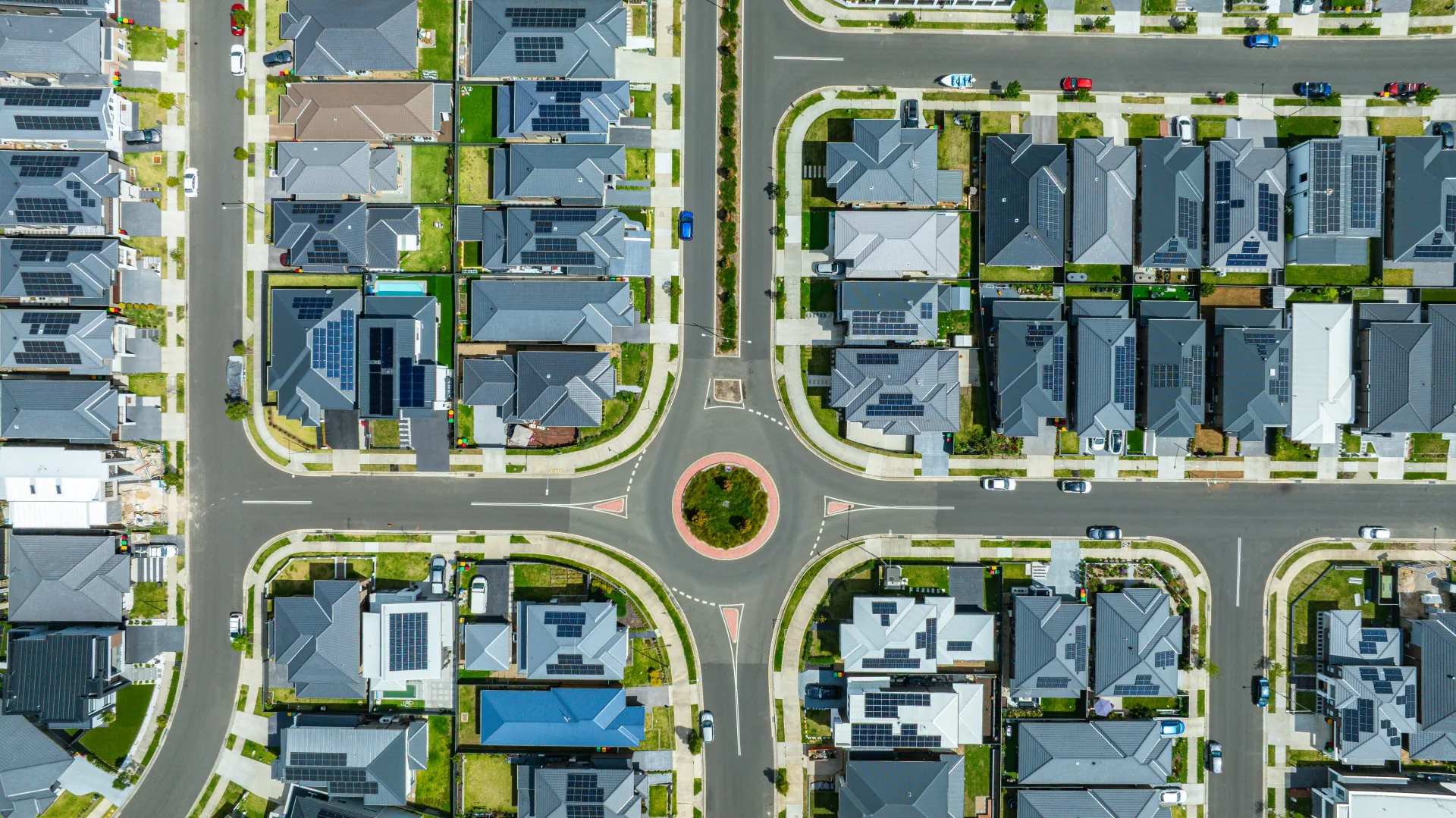
West Kelowna Step Code Requirements
Current Step: 3 | ACH Target: 2.5 ACH50 | Climate Zone: 5 | HDD: ~3,750 (varies by elevation) | Permit Office: westkelownacity.ca | Permit Counter: 2760 Cameron Road
What’s required right now
Step 3 is mandatory for all new Part 9 residential builds in the District of West Kelowna. Same provincial target as Kelowna at 2.5 ACH50, but the District operates its own Building Permits department with its own timelines, fees, and inspection cadence. Don’t assume your Kelowna permit pathway transfers directly.
West Kelowna sits in Climate Zone 5 with HDD broadly tracking Kelowna’s 3,715, but micro-climate variation across the District is significant. Your energy advisor should adjust HOT2000 inputs for site-specific elevation and exposure.
Elevation and micro-climate variation
West Kelowna is geographically split into distinct construction contexts. They don’t all build the same way.
| Area | Elevation (approx) | Typical considerations |
|---|---|---|
| Lakeshore (Westbank, West Kelowna Estates) | 350 m | Standard CZ5, lake-moderated winters |
| Boucherie / Casa Loma | 380 to 500 m | Mid-bench, slightly cooler |
| Lakeview Heights | 400 to 550 m | Sloped sites, exposure to north winds |
| Glenrosa | 450 to 700 m | Higher HDD, longer heating season, snow loads |
| Smith Creek / Rose Valley | 500 to 750 m | Highest elevation, treat as sub-CZ5 |
Glenrosa and the upper benches of Smith Creek see noticeably colder winters and longer heating seasons than the lakeshore. Practical effect: builders working above 500 m should budget for R-7.5+ exterior insulation as a minimum and consider U-value 1.2 W/m²K windows rather than the 1.4 floor.
Wildland-urban interface adds complexity
West Kelowna sits in active wildfire interface across most of its build envelope. The 2003 Okanagan Mountain Park fire, 2009 Glenrosa fire, and 2024 McDougall Creek wildfire all shaped local building practice. WUI requirements interact with Step Code airtightness in three places:
- Vent placement. Ember-resistant intake/exhaust vents (1/8” mesh, listed assemblies) need to integrate with your air barrier without creating thermal bridges
- Soffits. Sealed soffits aren’t optional in WUI zones; they happen to also help airtightness
- HRV intake. Locate intake away from likely ember pathways and insulate the duct run to prevent condensation in cold months
The McDougall Creek rebuild zone in particular has BC Wildfire Service review attached to permits. Builders should expect WUI inspections in addition to Step Code compliance.
Permit process at the District of West Kelowna
- Pre-construction. Submit energy compliance report with permit application. Allow 3 to 5 weeks for permit issuance; longer in active rebuild seasons.
- Mid-construction. No municipal blower door rebate (unlike Kelowna’s $325 program), but a pre-drywall test still pays for itself by catching leaks early.
- As-built. Final blower door test plus updated compliance report before occupancy.
The District’s online permit portal handles standard residential applications. Complex sites (steep slope, geotechnical, riparian) require pre-application consultation.
Rebate stack for West Kelowna projects
| Source | Amount | Notes |
|---|---|---|
| FortisBC New Home Program | $9,000 to $15,000 | Step 4 with hybrid heat pump |
| FortisBC New Home Program | $11,000 to $20,000 | Step 5 with hybrid heat pump |
| CleanBC Better Homes | $4,000 to $10,000 | Heat pump rebate, stacks with FortisBC |
| Greener Homes Loan | up to $40,000 | Interest-free for energy upgrades |
West Kelowna doesn’t currently offer a municipal mid-construction rebate. The full provincial and federal stack is identical to Kelowna’s. Use the rebate calculator for project-specific numbers.
Common compliance gaps at elevation
The leak patterns shift with elevation in West Kelowna. At lakeshore the issues mirror Kelowna: rim joists, window rough openings, attic hatches. Above 500 m, two additional patterns emerge:
- Snow-load roof penetrations. Ice damming pushes water through marginal flashing; the same gaps fail air barrier tests
- Sloped-site rim joists. Stepped foundations multiply the rim joist length and the failure surface area
Run a pre-drywall blower door test on every Glenrosa or Smith Creek build. The cost to find and fix leaks goes up sharply once finishes are in.
What’s coming in 2027
Step 4 is expected provincially in January 2027 at 1.5 ACH50. For West Kelowna builders working at elevation, the target is achievable but tight. The combination of cold winters, sloped sites, and WUI complexity means manual sealing alone is increasingly hard to land below 2.0 ACH50. Most builders targeting Step 4 in upper West Kelowna are now planning for aerosol air sealing as the predictable path.
Next steps for your West Kelowna project
- Compare your site elevation against the table above and adjust assemblies
- Run the rebate calculator for project-specific numbers
- Review the Step 4 readiness checklist before your next build