Coldstream Step Code Requirements
Current Step: 3 | ACH Target: 2.5 ACH50 | Climate Zone: 5 | HDD: ~3,900 | Permit Office: coldstream.ca | Adjacent Jurisdiction: RDNO Electoral Area C for some services
What’s required right now
Step 3 is mandatory for all new Part 9 residential builds in the District of Coldstream. The airtightness target is 2.5 ACH50, verified by blower door test before occupancy.
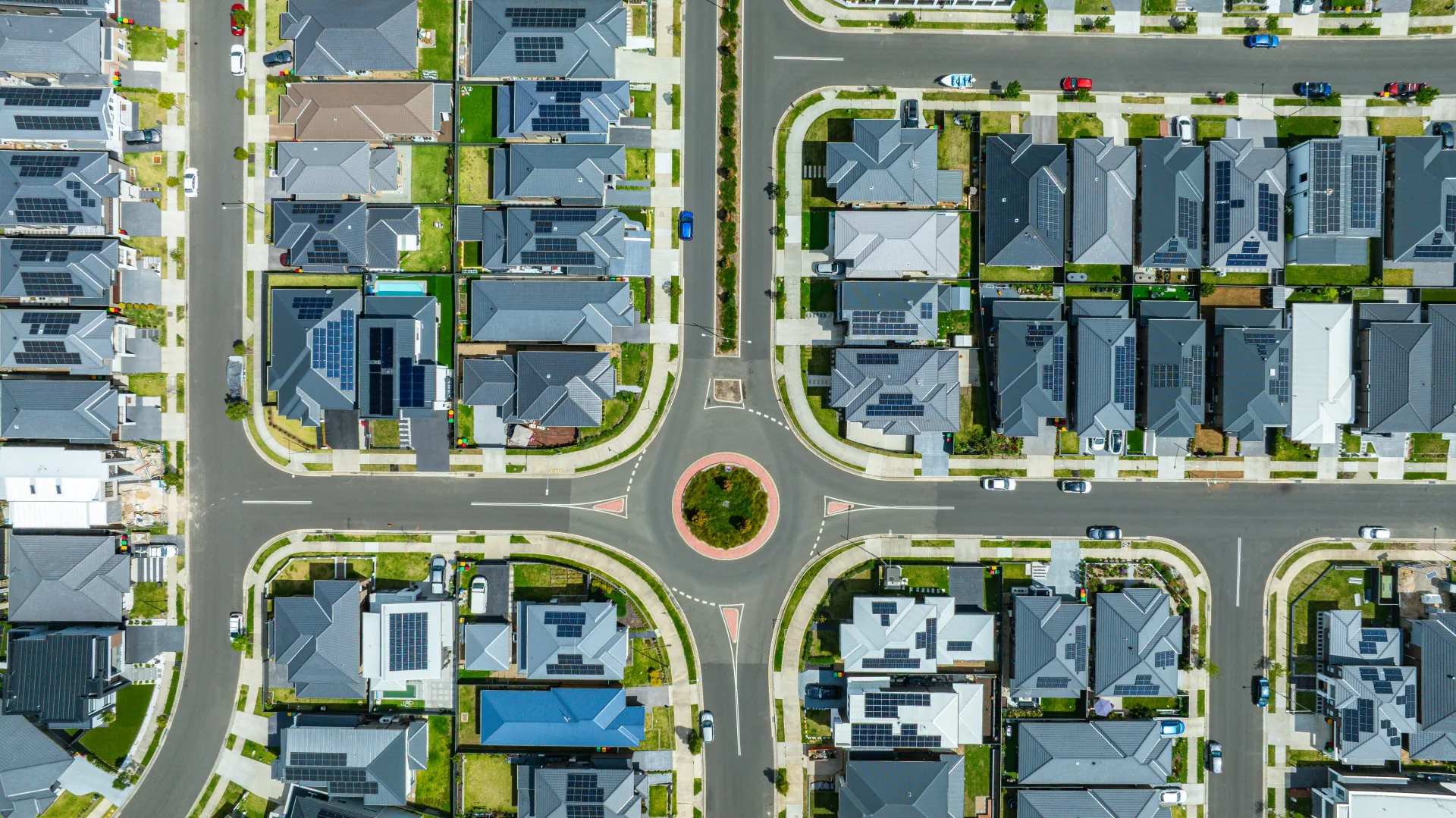
Coldstream sits at the cold end of Climate Zone 5 with HDD around 3,900, similar to neighbouring Vernon. The District wraps the southeast corner of Kalamalka Lake and includes a mix of established residential neighbourhoods, rural acreages, and newer subdivisions. Population is roughly 11,000.
Permit jurisdiction nuance
Coldstream operates its own building department, but coordinates some services through the Regional District of North Okanagan (RDNO). For most Part 9 residential permits, the District handles the application directly. For specific scopes (rural septic, riparian, ALR-related), expect RDNO involvement in the review.
Step Code requirements are identical regardless of which body coordinates the inspection.
Construction patterns in Coldstream
Coldstream’s residential build mix:
| Pattern | Step Code consideration |
|---|---|
| Subdivision infill | Standard CZ5 build, R-22 + R-7.5 walls typical |
| Custom estate homes | Larger envelopes multiply the air barrier surface area and failure points |
| Rural acreages | Crawlspace foundations common; rim-to-mudsill seal is a top failure point |
| Lakefront and lakeview | West-facing glazing drives summer cooling load even at CZ5 latitudes |
Estate homes on the larger acreages (Coldstream Ranch area, the bench above Kalamalka) often include detached workshops, guest suites, and mechanical buildings. Each adds an envelope to detail. The Step Code targets apply to the primary dwelling, but builders should think about the air barrier strategy holistically for shared walls and connecting structures.
Lake-influenced micro-climate
Kalamalka and Wood Lakes moderate the local climate slightly compared to Vernon, but not enough to drop Coldstream out of cold-end CZ5. Practical effects:
- Lake-side properties see slightly milder winter overnights (lake-effect)
- West-facing glazing toward Kalamalka picks up significant late-day summer solar; consider lower-SHGC glass or external shading
- Inversions in the Coldstream Valley can drop temperatures below Vernon readings on still winter mornings
- HRV intake placement should account for inversion-driven cold-air pooling on lower lots
Energy advisor modeling should use Vernon-area weather files; Kalamalka-specific files aren’t typically available, so add a small safety margin for envelope spec.
Common compliance gaps in Coldstream builds
Recurring fail patterns:
- Crawlspace floor-to-foundation transitions. Older Coldstream neighborhoods favor crawlspaces; the seal at the mudsill is a top failure point
- Estate home complexity. More penetrations, more roof intersections, more linear feet of rim joist. 30 to 40% of estate-home failures trace to envelope intersections rather than individual penetrations
- Recessed lighting. Non-IC-rated cans in insulated ceilings create both code and air barrier issues
- Walk-out basement walls. Where part of the foundation is exposed (lake-view daylight basements), the wall needs full insulation and air barrier treatment
- Detached structure connections. Where a workshop or guest suite shares a wall with the house, the air barrier transition is often missed
A pre-drywall blower door test catches most of these before drywall closes them in. See the air sealing checklist for the full pre-drywall sequence.
Permit process at the District of Coldstream
- Pre-construction. Submit energy compliance report with permit application. Allow 3 to 5 weeks for permit issuance for typical Part 9 builds; longer for complex estate or lakefront projects with riparian review
- Mid-construction (optional). No municipal blower door rebate; pre-drywall testing pays off, especially on larger custom builds where late-stage rework is expensive
- As-built. Final blower door test plus updated compliance report before occupancy
Rebate stack for Coldstream projects
| Source | Amount | Notes |
|---|---|---|
| FortisBC New Home Program | $9,000 to $15,000 | Step 4 with hybrid heat pump |
| FortisBC New Home Program | $11,000 to $20,000 | Step 5 with hybrid heat pump |
| CleanBC Better Homes | $4,000 to $10,000 | Heat pump rebate, stacks |
| Greener Homes Loan | up to $40,000 | Interest-free for energy upgrades |
Coldstream is in FortisBC natural gas service area where infrastructure exists. For larger custom estate builds, the FortisBC + CleanBC stack often offsets a significant portion of the Step 4 envelope upgrade cost. See the Step Code rebates guide for stacking rules.
What’s coming in 2027
Step 4 is expected provincially in January 2027 at 1.5 ACH50. For Coldstream’s larger custom builds, Step 4 is achievable but demanding given the higher envelope intersection count. Most builders targeting Step 4 on estate or rural-acreage projects are now planning for aerosol air sealing as a predictable path to 1.5 ACH50.
Nearby communities
Builders working Coldstream often also serve:
- Vernon, adjacent municipality, same CZ5 requirements
- Lake Country, south along the lakes, growing residential market
- Armstrong, north on Highway 97A
- Lumby, east through the Coldstream Valley
All share CZ5 Step 3 requirements with the same 2.5 ACH50 target.
Next steps for your Coldstream project
- Confirm District jurisdiction (vs RDNO for specific scopes) before permit submission
- Run the rebate calculator for project-specific numbers
- Compare air sealing methods for estate or rural-acreage builds